Our guides are based on research and published information. Current shopping links are ordinary brand links; we do not earn commissions from them. Read our disclosure.
Name the area before choosing the product
Concealer can become a full-face routine by accident. A large under-eye shape, several lines around the nose, and another layer over the cheeks can leave you wearing more than you intended. Begin by identifying the specific area you want to adjust. You may want a little coverage beneath the eyes, around the nose, or over a small mark, and those preferences do not require treating every zone identically.
This guide is about makeup appearance, not treating the cause of skin changes. Natural shadows, variation, and texture do not need to disappear. Choose a result you enjoy at normal conversation distance rather than one designed only for an enlarged mirror.
Try less than your usual starting amount
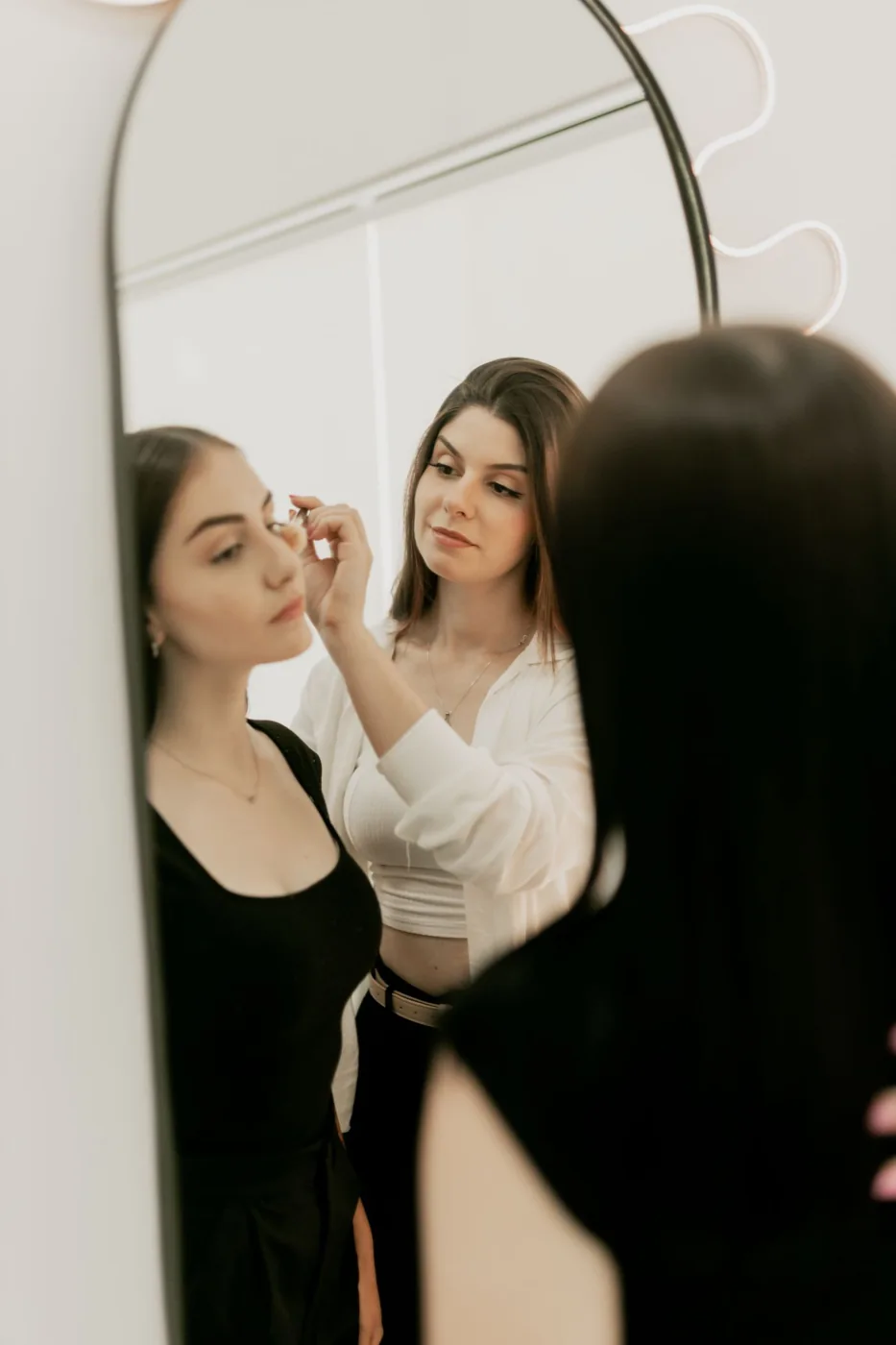
Place a small amount where you want the most coverage and soften the edge into the surrounding skin. Pause before adding more. It can be easier to judge the remaining need once the first application is blended than to correct an area that already feels too covered. The useful amount depends on the formula and the coverage you prefer.
An applicator that releases a large amount does not require using everything on it. You can control pickup with a suitable clean tool or follow the brand directions for a lighter application. Packaging and dispensing are worth considering when shopping, especially if you routinely struggle with a highly loaded wand or a tube that releases too much.
Separate matching from brightening
A shade intended to blend into the surrounding complexion serves a different aesthetic purpose from one chosen to make an area look lighter. Before buying, decide which effect you want. If the goal is unobtrusive coverage, a noticeably different shade may create extra blending work. If you enjoy a brighter under-eye look, choose it deliberately rather than assuming lighter is always better.
Use shade descriptions as a starting point and seek a sample or in-person comparison when possible. Check in ordinary light and alongside your usual base. A hand swatch cannot completely predict how the color will look in the place you intend to wear it. Avoid buying multiple correctors before confirming whether you need them.
Choose a tool that helps you stop
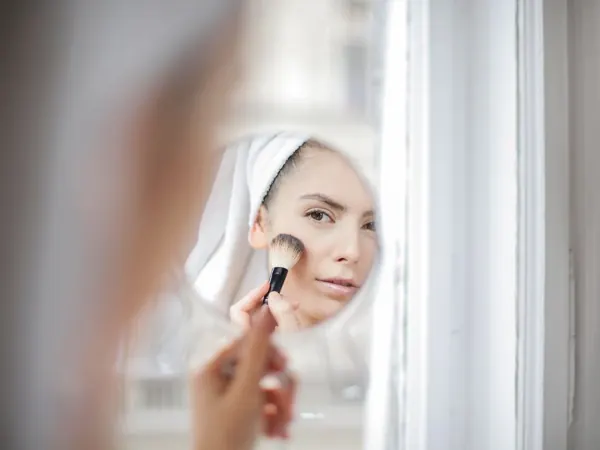
A small brush can support precise placement, while a sponge or fingertip may suit your preferred blending method. What matters is control and comfort, not the idea that a particular tool is mandatory. If a large sponge spreads coverage far beyond the original area, you may prefer a smaller working surface. If a brush creates more steps than you enjoy, a simpler method may be more sustainable.
Keep hands and tools clean and use your own cosmetics. The FDA recommends against sharing makeup. Tool choice is not separate from upkeep: the best applicator on a shopping page is a poor fit if its cleaning and drying needs do not work with your morning schedule.
Let the rest of the routine stay quiet
After concealer, look at the whole face before adding foundation. You may already have the coverage you wanted. If you prefer a base, apply it in a way that does not automatically cover every selectively concealed area with another heavy layer. Reassess the finished balance before reaching for more product.
Powder is optional and can be applied only where you like its effect. If you repeatedly dislike the appearance after setting, experiment with a smaller amount or a different placement before replacing the concealer. Change one variable at a time so you know what made a difference. There is no need to build a large support routine around one small area.
Shop for a particular frustration
If you want a new concealer, explain why the current one does not fit. Perhaps the shade is wrong, the coverage is too sheer for your preference, the package is awkward, or the finish requires more attention than you want. That description creates a useful shortlist. A broad promise of perfection does not tell you whether a product solves your actual difficulty.
Skip a high-coverage formula if you spend every morning trying to remove most of it. Skip a very sheer one if you dislike the amount of layering needed for your desired effect. Choose a product whose normal application sits near your preference, and remember that some visible texture is compatible with a polished everyday look.
Products to consider
These are starting points for comparison, selected from published brand information. Check the current details, price and return policy before buying.
e.l.f. Hydrating Camo Concealer
The brand describes this as a full-coverage concealer with a satin finish.
Consider it for: Targeted coverage rather than another full layer of foundation.
Keep in mind: Full coverage needs a light hand; check the shade in daylight.
Check current details at e.l.f. Cosmetics ↗Official brand website · Checked September 30, 2026Use concealer for the area and effect you actually want. A controlled amount and suitable shade are more useful than automatically adding extra layers.
A few more things to know
Must concealer go before foundation?
There is no single sequence for every formula or preference. Follow product instructions and try the order that lets you use less while achieving the look you want.
Should I buy a separate color corrector?
Only for a specific effect you cannot comfortably achieve with your current routine. Confirm the need before adding another product and application step.
Sources & further reading
Sources consulted September 30, 2026. Product details can change.