
Our guides are based on research and published information. Current shopping links are ordinary brand links; we do not earn commissions from them. Read our disclosure.
Empty the bag before deciding what is missing
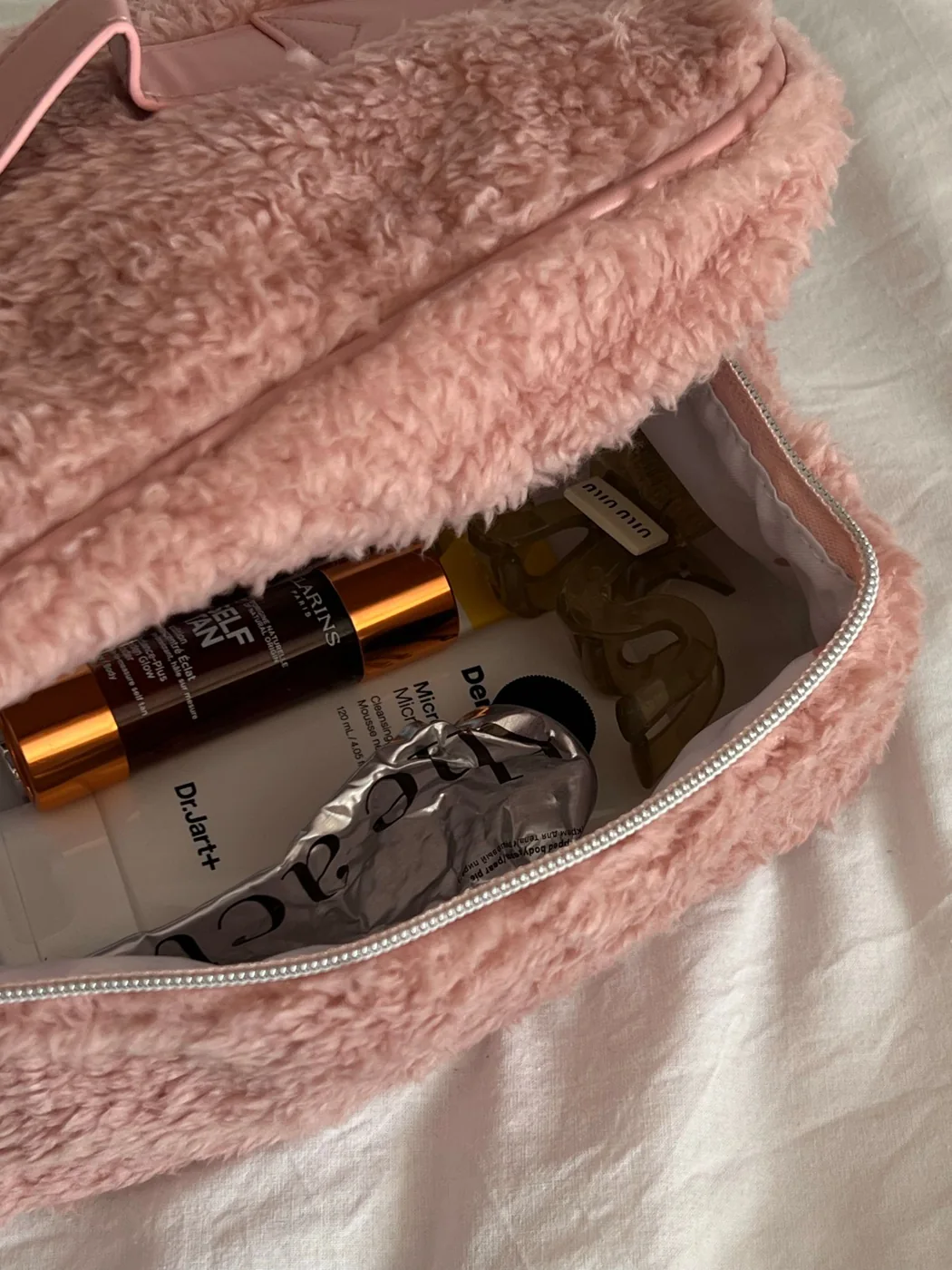
A crowded makeup bag can create the feeling that you own everything and nothing useful at once. Put the contents on a clean, clear surface and separate the products you reach for from the ones you move out of the way. The aim is not to achieve an impressive collection photograph. It is to make getting ready easier with the products that suit your current routine.
Do this when you have enough time to read labels and wipe the pouch, rather than five minutes before leaving home. Keep a small note of actual gaps. A missing everyday lip color is a specific shopping problem; a bag that feels uninspiring is not yet a reason to replace every item.
Check condition and instructions individually
Look at the product label, any indicated lifespan after opening, and the condition of the package. If you cannot remember when an item was opened, start a better record for its replacement rather than inventing a date. Changes in odor, appearance, or texture deserve attention, and product-specific instructions should guide use and disposal. Do not add water or other ingredients to revive something that has changed.
The FDA advises discarding eye cosmetics after an eye infection. Its guidance also advises against sharing makeup. Those are more meaningful considerations than whether a half-used item looks aesthetically pleasing beside new packaging. Keep safety and your actual use ahead of the desire to finish every last drop.
Give every remaining product a role
Create three small groups: daily use, occasional use, and items you are still deciding about. The everyday group should be easy to identify by purpose. Two nearly identical blushes may both be enjoyable, but only one needs to travel with you every day. Store occasional products somewhere appropriate rather than letting them turn the everyday pouch into a catch-all drawer.
Be honest about changes in taste. A shade you avoid is not an essential just because it was expensive. You can stop carrying it without immediately buying an alternative. Spending more to justify an earlier purchase only adds another decision. If you are unsure, leave it out of the daily bag and see whether you miss using it.
Clean the container and rethink the layout
Follow the bag care instructions, remove loose powder, and allow any cleaned surfaces to dry before repacking. Inspect pockets and corners where small caps or applicators disappear. A pouch with too many compartments can be as frustrating as one with none if it conceals the products you need. Choose the layout around how you search for things, not how organized it appears when empty.
Keep tools protected and separate items that are prone to leaking. A secure closure matters more than matching every package. If the bag itself is still serviceable, you may only need a small internal pouch or a different arrangement. Replacing it is worthwhile when size, access, or cleaning is a repeated problem.
Replace one problem at a time
Write a short replacement brief for any true gap. Include the intended use, preferred texture, shade family, package size, and maximum amount you want to spend. This prevents a basic replacement from turning into a bundle of related purchases. If the old product worked well, repurchasing it is a perfectly reasonable choice; novelty is not a requirement.
Compare total cost rather than a discount percentage. A set is only good value if you want and will use its contents. Minis can be convenient, but several minis may cost more than one full-size staple. Check how much is included and whether you will realistically use that amount within the product instructions.
Build a bag that can stay edited
Before putting everything back, rehearse an ordinary morning using only the daily group. If you keep reaching for something outside it, decide whether that item deserves a place. If half the group remains untouched, make the selection smaller. This is a practical sorting exercise, not a rigid challenge to own a certain number of products.
Keep your purchase notes and opening dates somewhere easy to find. Revisit the bag when the routine changes, such as before a trip or a different work schedule. Skip a refresh purchase when cleaning and editing solve the problem. A lighter, clearer makeup bag can be the result of removing friction rather than adding another object.
Products to consider
These are starting points for comparison, selected from published brand information. Check the current details, price and return policy before buying.
Real Techniques Everyday Essentials
Four makeup brushes and a complexion sponge in one set.
Consider it for: Starting a kit for face, cheek and simple eye makeup.
Keep in mind: A set only makes sense if you will use most of the tools.
Check current details at Real Techniques ↗Official brand website · Checked September 30, 2026Refresh the system first. Replace products for a specific use or condition issue, not because the whole bag feels ready for a new aesthetic.
A few more things to know
Should I throw away everything at once?
No. Review products individually using their condition, label instructions, and use history. A refresh is not a reason to discard suitable products simply because they are not new.
Is a larger makeup bag the solution?
Only if capacity is the actual problem. If you carry many unused items, editing the contents may improve access more than extra space would.
Sources & further reading
Sources consulted September 30, 2026. Product details can change.